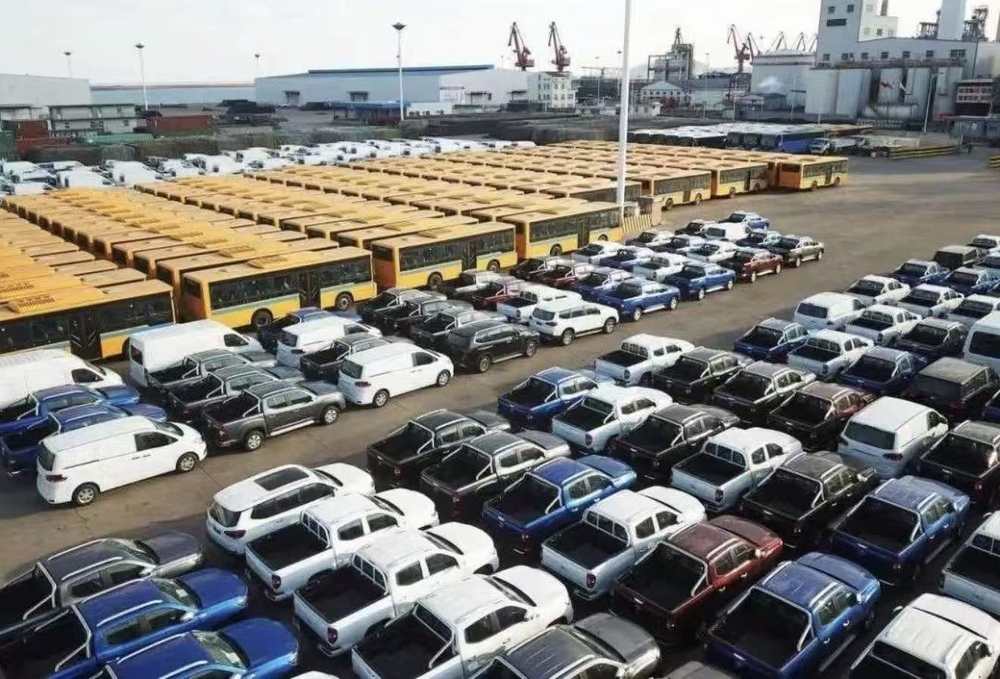
Nigeria's 2026 Fiscal Policy Measures, signed by Finance Minister Wale Edun on 1 April 2026, reshaped vehicle import costs from 1 July 2026.
Confirmed changes
- Tariff on fully built passenger vehicles (sedans, 4x4s, station wagons): 70% down to 40%.
- Green tax by engine size: 2,000-3,999 cc pays 2% of the dutiable value; 4,000 cc and above pays 4%.
- Exempt from green tax: engines below 2,000 cc, pure electric vehicles, hybrids, mass-transit buses, and locally assembled vehicles.
- Collected once, at import clearance, together with duty. Nigeria Customs upgraded its clearance system so engine capacity is read automatically.
- Transition: importers who opened Form M before 1 April 2026 cleared under the old rules during the 90-day grace period (1 April - 30 June 2026). From 1 July all new declarations pay the green tax.
One point still reported differently
Several industry sources state that the NAC levy on used vehicles was cut from 15% to 5% on 1 July 2026, while fact-checkers reviewing Nigeria Customs fee tables list the NAC levy as unchanged. Because the total statutory burden still runs at roughly 42-45% of CIF - 20% import duty, NAC levy, 7.5% VAT, 4% FOB levy (replacing the old 1% CISS), 0.5% ETLS and a 7% surcharge - always have your clearing agent confirm the current rate sheet for your specific vehicle before you sign a contract.
What this means for you as a buyer
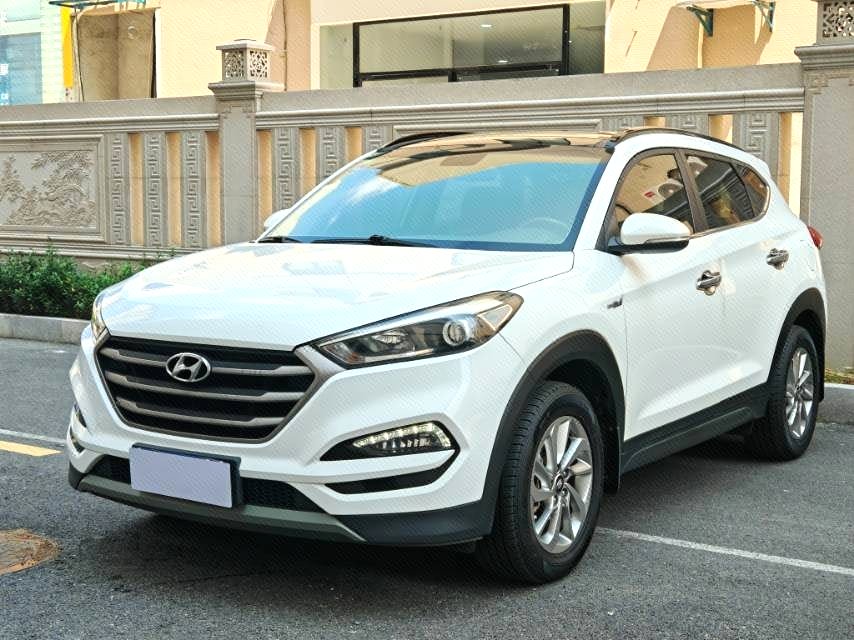
The best landed cost now sits with 1.6-2.0 litre, left-hand-drive cars aged 3-8 years, and with hybrids and EVs, which are exempt from the green tax. Large-displacement SUVs and pickups carry the 4% surcharge, so price them accordingly.
Send us your target model and engine size; we will tell you which bracket it falls into and quote FOB Shanghai or Nansha. WhatsApp +8613297930920.
Sources: State Taxation Administration of China compilation of IBFD material (Sept 2026); Down To Earth (May 2026); Dubawa fact-check (Apr 2026); Nigeria Customs fee tables.